


Dryer Machine - A Quick Solution to Dry Your Clothes
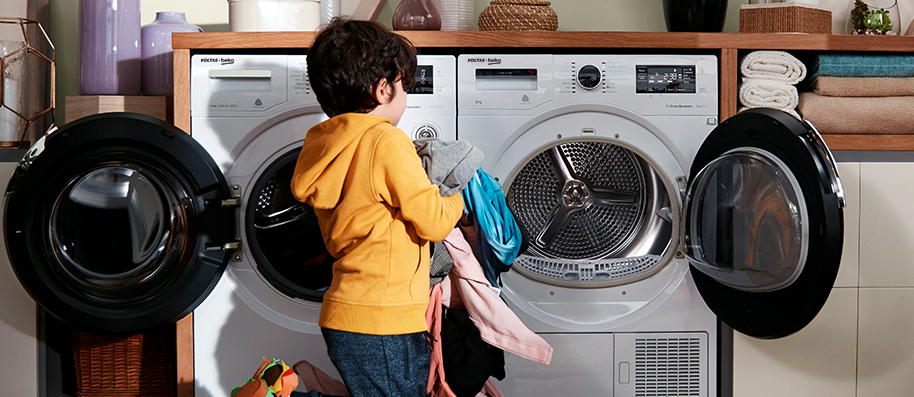
Waiting for freshly washed clothes to dry for days is inconvenient. While a washing machine does not necessarily dry clothes completely like a tumble dryer, its spin function can remove a significant amount of excess water and reduce the drying time.
Depending on the type of washing machine you choose, the drying process can work differently. Semi-automatic twin-tub washing machines have a separate spin tub where clothes can be transferred after washing, while fully automatic washing machines typically include a spin cycle as part of the wash programme.
How Does the Dryer Function in a Washing Machine Work?
The drying process in a washing machine relies on spinning. During the spin cycle, the drum or tub rotates at high speed, using centrifugal force to push water out of the clothes. The extracted water then drains from the machine.
This process does not dry clothes completely. Instead, it removes excess moisture so that clothes can dry faster when placed on a clothesline or drying rack. The amount of moisture removed depends on factors such as spin speed, fabric type, load size and the selected programme.
Separate Wash and Spin Tubs in Semi-Automatic Washing Machines
Semi-automatic washing machines provide separate compartments for washing and spinning. Once the wash and rinse cycle is complete, clothes can be manually transferred to the spin tub for water extraction.
This design gives you greater control over each stage of the laundry process. You can also start another load in the wash tub while the previous batch is spinning, which can make the overall laundry routine more efficient. Voltas Beko's current semi-automatic range includes twin-tub models with dedicated wash and spin functions.
Benefits of a Separate Spin Tub
- Faster water extraction: The dedicated spin tub helps remove excess water from freshly washed clothes.
- Reduced drying time: Clothes come out less wet and can dry faster when air-dried.
- Parallel operation: You can wash another batch while the previous load is spinning.
- Greater control: You can manually decide when to transfer clothes from washing to spinning.
- Practical for everyday laundry: The simple design can be useful for households that prefer greater control over their washing routine.
Spin Drying in Fully Automatic Washing Machines
Fully automatic washing machines combine washing, rinsing and spinning in a single tub. Once the wash and rinse stages are complete, the machine automatically moves into the spin cycle as part of the selected programme.
The high-speed spinning action extracts excess water from the fabrics, and leaves clothes damp rather than completely dry. This means the clothes still need to be air-dried, but they can take considerably less time to dry than clothes removed immediately after a wash without a spin cycle.
How to Get Better Drying Results from the Spin Cycle?
A few simple practices can help improve moisture extraction:
- Avoid overloading the machine: Give clothes enough room to move freely during the spin cycle.
- Select an appropriate spin setting: Use the recommended setting for the fabric and garment type.
- Distribute clothes evenly: An unbalanced load can affect spinning performance.
- Follow fabric care instructions: Delicate fabrics may require lower spin speeds.
- Remove clothes soon after the cycle: This can help prevent clothes from developing a damp or musty smell.
Semi-Automatic vs Fully Automatic: Which Drying Method Is Right for You?
Both types of washing machines can remove excess moisture through spinning, but the process and level of user involvement are different.
|
Feature |
Semi-Automatic Twin Tub |
Fully Automatic |
|
Washing tub |
Separate |
Same tub |
|
Spin tub |
Separate |
Same drum/tub |
|
Clothes transfer |
Manual |
Automatic |
|
Drying method |
Spin drying |
Spin cycle |
|
User control |
Higher |
Lower |
|
Convenience |
Requires some manual intervention |
More automated |
|
Drying result |
Removes excess moisture |
Removes excess moisture |
|
Final drying |
Air drying required |
Air drying generally required |
How to Dry Clothes Faster After Washing?
If you want clothes to dry faster after the spin cycle, the way you handle the laundry also matters.
Use the Right Spin Cycle
A suitable spin speed can help extract more water from fabrics. However, avoid using unnecessarily high spin speeds for delicate garments and always follow the care label.
Avoid Overloading
An overloaded drum or spin tub can restrict movement and reduce effective water extraction. Washing smaller, manageable loads can help clothes spin more evenly.
Give Clothes Enough Space While Air-Drying
After spinning, spread clothes out on a drying rack or clothesline instead of keeping them bunched together. Better airflow around the fabric can help moisture evaporate faster.
Make the Most of Natural Airflow
Place the drying rack in a well-ventilated area where there is sufficient air circulation. During humid weather, using an indoor space with good ventilation can help prevent clothes from remaining damp for too long.
Voltas Beko Washing Machines with Spin-Drying Features
Voltas Beko offers both semi-automatic twin-tub and fully automatic washing machines to choose a washing solution based on your preferred level of control and convenience. Its current semi-automatic range includes separate washing and spinning tubs, while fully automatic models complete the wash, rinse and spin stages in one tub.
Voltas Beko Semi-Automatic Washing Machines
The semi-automatic twin-tub range includes different capacities, from compact options for smaller laundry loads to larger models for households with higher washing requirements. The separate spin tub is designed to extract excess water from clothes before air drying.
Some models also feature Air Dry, which supports the removal of excess moisture during the spin process. The current Voltas Beko range includes models in capacities such as 6 kg, 6.5 kg, 7.5 kg, 8 kg, 8.5 kg, 9 kg, 9.5 kg, 10 kg and 12 kg.
Voltas Beko Fully Automatic Washing Machines
For those who prefer a more automated laundry routine, fully automatic washing machines handle washing, rinsing and spinning within the same tub. Once the selected programme is complete, the spin cycle helps remove excess water, making clothes easier and faster to air-dry.
Does a Washing Machine Dry Clothes Completely?
No. In most conventional washing machines, the spin cycle is designed to remove excess water instead of completely dry clothes. Clothes will still contain some moisture and need to be air-dried afterwards.
Conclusion
A washing machine's spin function can make drying laundry easier by removing excess water before clothes are put out to air-dry. Whether you prefer the greater control of a semi-automatic twin-tub machine or the convenience of a fully automatic model, choosing the right washing machine can help make everyday laundry more efficient. With Voltas Beko's range of washing machines, you can choose a model that suits your household's washing and drying needs.
FAQs
Which mode is best for drying clothes?
The best drying mode depends on the fabric. A Normal or Regular cycle is generally suitable for everyday cotton and mixed fabrics, while a Delicate or Low-Heat cycle is better for sensitive fabrics. Always follow the garment care label.
How many minutes does it take to dry clothes in a dryer?
Drying time varies based on the load size, fabric type, moisture level and selected cycle. A typical load may take around 30–60 minutes, while heavy or bulky fabrics can take longer. Sensor-based dryers automatically adjust the cycle based on the moisture level.