


How to Effectively Clean Your Washing Machine?
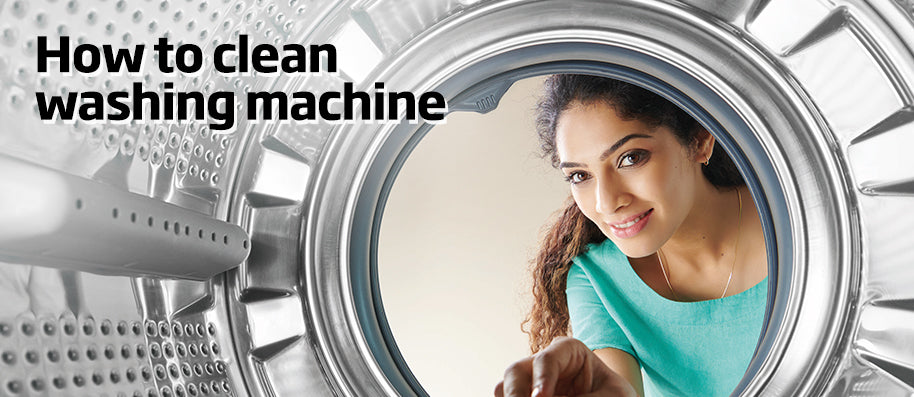
Did you notice that suddenly your clothes don’t get washed as cleanly as they used to? Or your washing machine is smelling bad? Years of accumulated detergent powder, soap residue or comforter in the innermost mechanical areas can affect the wear and tear of your washing machine. During such occurrences, your washing machine might indicate that it requires effective washing and cleaning.
Fortunately, cleaning a washing machine at home is relatively simple and does not require any major efforts or professional service. Let’s explore some ways you can clean inside your washing machine, depending on its type.
Cleaning Your Washing Machine – Step By Step Process
You might be surprised, but the essential ingredient to clean inside your washing machine is vinegar. Besides using it as a cooking ingredient, vinegar also works as a great disinfectant and cleaning agent. Its acidic nature can dissolve any stubborn residue, dirt, or grease stuck in any part of your machine.
Step 1 - Cleaning your washing machine drum
Your washing machine drum is the most susceptible to amassing dirt in the areas out of your reach. To efficiently clean your washing machine drum, fill it with hot or warm water and add two cups of white vinegar instead of detergent powder. With this method, any foul smells are also washed away.
After the cycle, ready a bucket of warm water and add a quarter cup of vinegar to it. With a sponge, wipe the bucket areas, the holes, and the rims clean. Make use of a toothbrush in the regions with narrow gaps to get rid of any mould and mildew.
After the first wash you can spray the vinegar solution and let it sit for a while and then wipe it with a cloth or sponge.
Step 2 - Clean other washing machine parts
Dust settles at the opening door of the washing machines and should be cleaned thoroughly with a sponge dipped in distilled vinegar water. Your machine’s controls should be wiped, and your soap dispensers should also retain their cleanliness.
Step 3 – Washing with baking soda
By this time, most of the dirt would be washed away but to be thorough, run a second round of a hot water cycle and add half a cup of baking soda to it. A final cleanse clears the washing machine drum of any residue matter so that your machine is spotless and polished. Keep the lid open till it dries out.
For Semi-Automatic Washing Machines
If you have a semi-automatic washing machine, you need to clean the dryer separately. Remove the lint trap and outlet vent of the dryer and wash it. Clean the parts with a soft brush and some detergent.
The upper section of a semi-automatic washing machine as well as the knobs need special attention. Use a soft fabric dipped in water, baking soda and vinegar to clean this part. You can also use this cloth to clean any residue left in the drum after a full wash.
Step 4 - Removing scales
Descaling a washing machine should be done at least thrice a year. This process involves removing the built-up limescale residue from the washing machine drum to prevent the wear and tear of your garments and improve your washing machine’s service life.
To remove scales from your washing machine, pour two cups of white vinegar into the detergent dispenser, fill up the tub with hot water and set it to run on its longest cycle. After the first cycle, add half a cup of baking soda directly into the drum. Consider running an empty wash after this process is complete for a thorough descale.
Step 5 – Leave the lid open after cleaning
After you have done several rounds of washing cycles to clean it, keep the lid open for a few hours to let it dry. It will dry the drum naturally and reduce moisture.
How to clean front-load washing machines?
Often, dust particles settle at the lid of the front-load washing machines. Here is how you can clean it:
- Wipe the rubber gasket with a damp microfibre cloth to remove dirt and residue.
- Clean the detergent drawer with warm water or white vinegar to prevent build-up.
- Leave the door and detergent drawer open after every wash to allow the interior to dry and reduce the risk of mould and mildew.
How to clean top-load washing machines?
Top-load washing machines usually collect more dust than the front-load ones due to their structure.
- Wipe the lid, control panel, and outer surfaces with a damp microfibre cloth.
- Use a soft brush or toothbrush to clean around the rim and other hard-to-reach areas.
- Clean the detergent dispenser regularly to remove residue and keep it functioning properly.
Tips to Keep Your Washing Machine Clean and Performing at Its Best
Regular maintenance helps keep your washing machine clean, hygienic, and running efficiently. Follow these simple tips to reduce residue build-up and extend the life of your appliance.
Use the Recommended Amount of Detergent
Using excess detergent can leave soap residue inside the drum and dispenser. Always follow the recommended dosage for effective cleaning.
Clean Your Washing Machine Monthly
Run a maintenance wash once a month to remove detergent residue, fabric softener deposits, and lint that can affect performance.
Remove Laundry After Every Wash
Avoid leaving damp clothes inside the drum for long periods, as trapped moisture can lead to unpleasant odours and mildew.
Clean the Door Seal and Detergent Drawer
Wipe the rubber gasket and detergent drawer regularly to remove dirt, detergent residue, and trapped lint that can encourage mould growth.
Keep the Door or Lid Slightly Open
After each wash, leave the door or lid slightly open for some time to improve air circulation and help the drum dry completely.
Wipe the Exterior Regularly
Clean the control panel, lid, and outer surfaces with a soft, damp cloth to prevent dust and grime from accumulating.
Conclusion
Cleaning the interiors of a washing machine at home can be a tedious process that busy people often forget. Hence, with incredible innovation and novel technologies, your washing machine might require a less frequent wash and that’s exactly what Voltas serves you. We ensure our washers and dryers give you the best laundry experience possible!
FAQs
How do I keep my washing machine smelling fresh?
Clean the drum, detergent drawer, and door seal regularly, and leave the door or lid slightly open after every wash to let the interior dry completely.
Why does my washing machine still smell even after I clean the drum?
Odours can persist if detergent residue, mould, or lint remains in the door seal, detergent drawer, or drain filter. Clean these parts regularly for a fresher machine.